About the Destination
Sanand: Gujarat's Industrial Jewel with a Cultural Soul
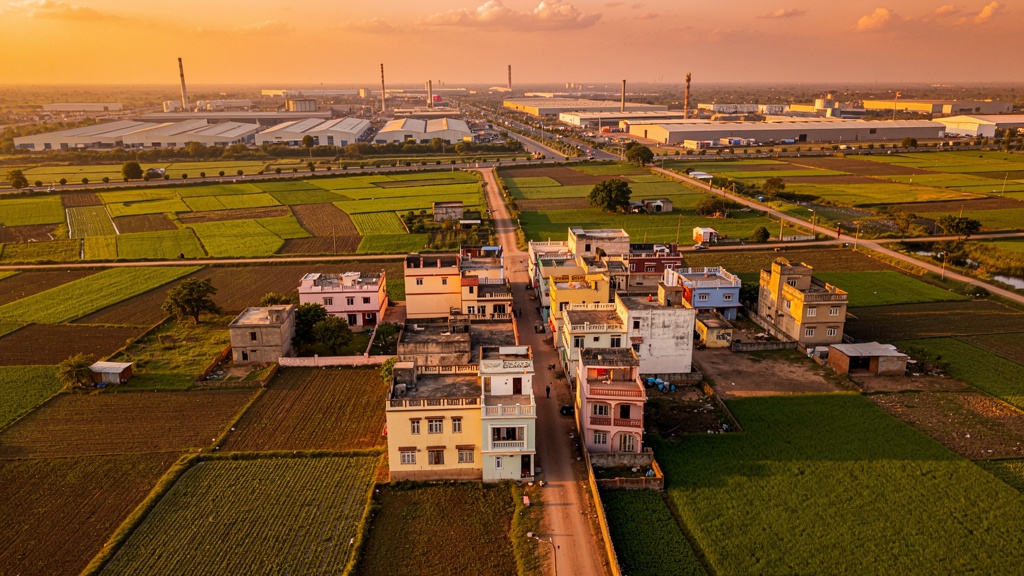
Sanand — pronounced Saa-naand in Gujarati — sits at a remarkable juncture in modern Indian history. Once known primarily as an agricultural town and a stopover between Ahmedabad and Rajkot, the town has transformed dramatically over the past two decades into one of India's most significant industrial corridors. Yet beneath this modern veneer, the ancient cultural DNA of Gujarat pulses with undiminished vigour.
The town occupies a strategic position on the fertile plains of central Gujarat, lying within Ahmedabad District at coordinates roughly 22.99°N, 72.38°E. It spans the Sanand Taluka, which encompasses numerous villages and rural settlements, each with its own microculture and local traditions. The Sabarmati River, Gujarat's most sacred waterway, flows at a comfortable distance north-east, its tributaries nourishing the farmlands that have fed the region for millennia.
Historical Roots
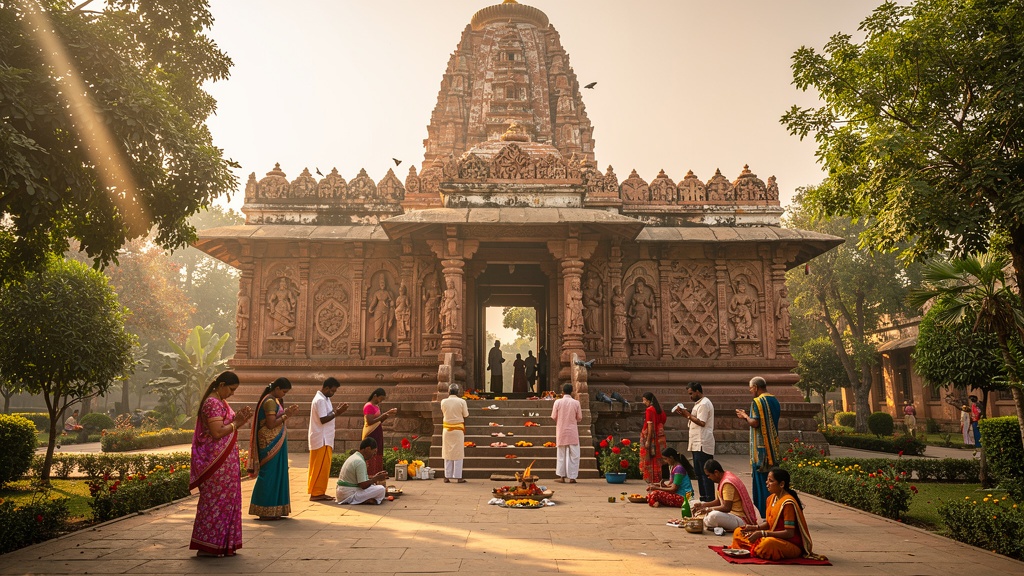
The historical record of Sanand, while not as extensively documented as larger Gujarat cities like Vadodara or Surat, is nonetheless rich and layered. The region formed part of successive waves of Rajput chieftainships during the medieval period, evidenced by the fortified haveli architecture and stepwells — called vav in Gujarati — that still stand in various states of preservation throughout the taluka.
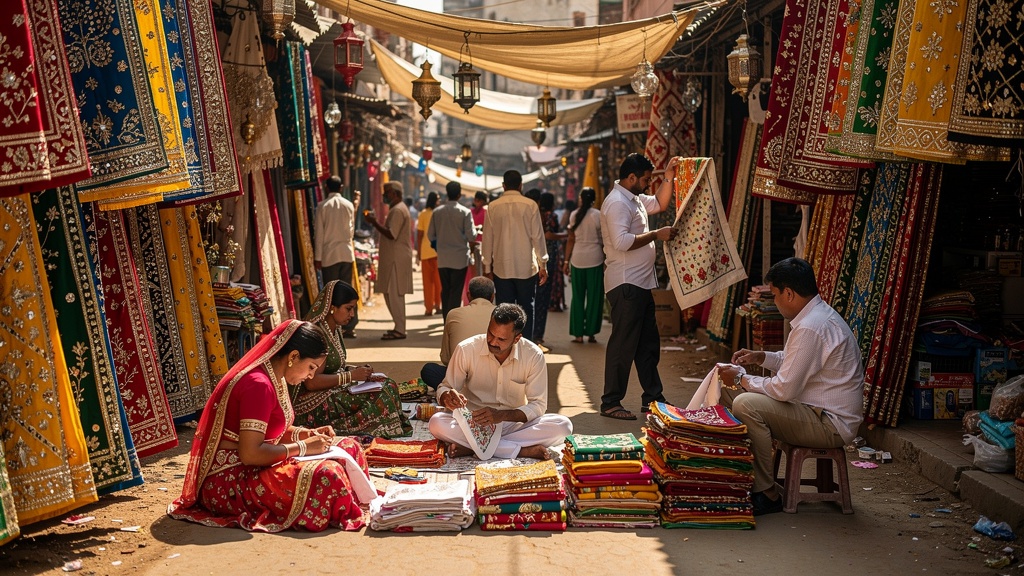
During the Mughal period, Sanand lay within the administrative jurisdiction of the Ahmedabad Subah, benefitting from the trade routes that criss-crossed this productive agricultural zone. The town's position between the major centres of Ahmedabad and Dholka meant it served as a commercial node for grain, cotton, and livestock markets. Merchants from as far as Rajasthan and the Arabian Sea ports would pass through, leaving behind culinary influences, architectural fragments, and trading traditions that the local population absorbed and made their own.
The British colonial era saw Sanand incorporated into the Ahmedabad District under the Bombay Presidency. Unlike many towns in this region, Sanand avoided becoming an administrative centre, which paradoxically helped preserve its traditional character. The town continued to be defined by its weekly markets, its temple festivals, and the rhythms of agriculture rather than by bureaucratic or military functions.
The Modern Transformation
The story of 21st-century Sanand is inextricably linked to one extraordinary event: the arrival of Tata Motors' Nano plant in 2008-2009. When Tata Motors relocated its controversial Nano factory from Singur, West Bengal, to Sanand — following a generous invitation from then Chief Minister Narendra Modi — it triggered a cascade of industrial investment that fundamentally altered the economic geography of the town.
Within a decade, Sanand transformed into one of India's premier automotive and engineering hubs. Companies like Ford India, Honda Motorcycle & Scooter India, and scores of ancillary suppliers established facilities in the Sanand Special Investment Region and the surrounding industrial estates. The once-quiet roads connecting Sanand to Ahmedabad became arteries for container trucks, employee commuters, and supply chain logistics.
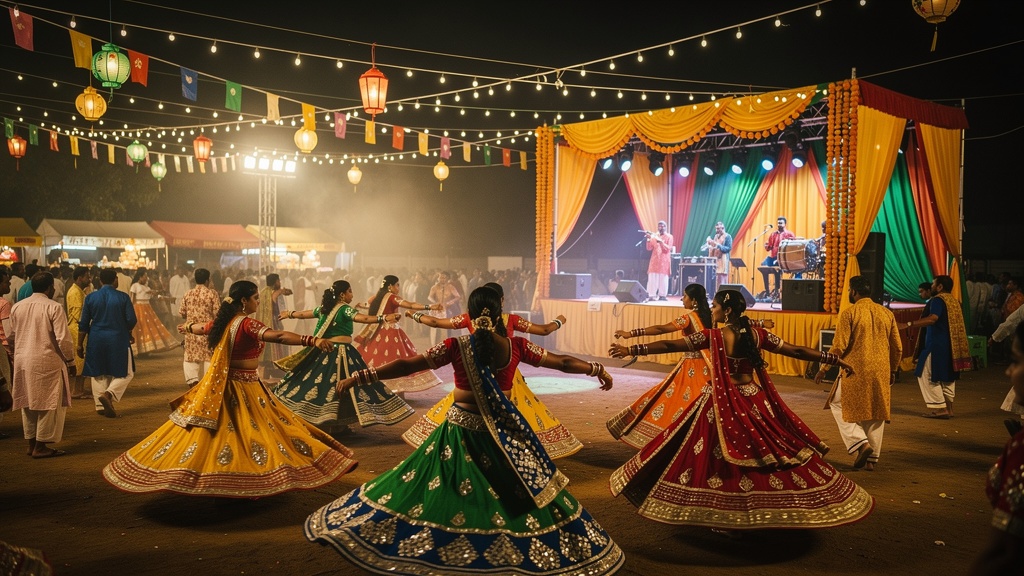
This industrial boom brought both opportunity and challenge. Population growth accelerated, real estate values surged, and the town's infrastructure underwent rapid expansion. New residential colonies, schools, hospitals, and shopping complexes emerged alongside factories and warehouses. Yet the core cultural identity of Sanand — its temples, its festivals, its food traditions, its communal bonds — proved resilient.
Geography and Climate
Sanand occupies the semi-arid plains of central Gujarat, characterised by flat to gently undulating terrain. The elevation hovers around 75 metres above sea level, typical for this part of the Indo-Gangetic fringe. The landscape is predominantly agricultural during the monsoon months, with fields of cotton, groundnut, wheat, bajra, and seasonal vegetables covering the countryside.
The climate follows a classic semi-arid pattern with three distinct seasons. Summers (March–June) are hot and dry, with temperatures regularly exceeding 40°C; this is the least comfortable time to visit. The monsoon (July–September) brings relief in the form of rainfall averaging around 700–800mm annually, transforming the parched landscape into verdant green. Winters (October–February) are the best season for travel — days are pleasantly warm at 20–28°C, nights dip to a refreshing 10–15°C, and the clear skies make outdoor sightseeing ideal.
Culture and Community
The social fabric of Sanand is quintessentially Gujarati in its warmth, enterprise, and devotional spirit. The community is predominantly Hindu, with significant Jain, Muslim, and smaller Christian populations living in harmonious coexistence — a characteristic of Gujarat that has deep historical roots in its mercantile and pluralistic traditions.
Gujarati is the primary language, though Hindi is universally understood and English is increasingly spoken in business and educational contexts. The community's entrepreneurial spirit — what scholars call the "Gujarati business mind" — manifests in everything from the organisation of temple trusts and charitable organisations to the management of local trade bodies and industrial associations.
The Patidars (Patels), historically the dominant agricultural and landowning community, continue to play a central role in Sanand's economic and social life. Alongside them, communities of Brahmins, Banias (Vaishnav merchants), Kolis, Dalits, and various other groups each contribute distinct cultural expressions — in music, food, handicraft, and ritual — to the rich mosaic of local life.
Cuisine: A Gujarati Feast
No discussion of Sanand is complete without paying homage to the extraordinary food culture of the region. Gujarati cuisine, one of India's most distinctive and celebrated regional culinary traditions, reaches exceptional heights in the home kitchens and roadside eateries of Sanand.
The traditional Gujarati thali — a stainless steel platter bearing an abundant variety of small dishes — is the quintessential local meal. At a typical Sanand thali restaurant, you can expect dal dhokli (wheat flour dumplings in spiced lentil soup), undhiyu (a complex winter vegetable casserole slow-cooked upside-down underground), khaman dhokla (steamed fermented chickpea cake), thepla (spiced flatbread with fenugreek leaves), shrikhand (sweetened strained yoghurt with saffron), kadhi (sweet-sour-tangy yoghurt soup), and multiple varieties of vegetable curries, pickles, and chutneys.
The Gujarati culinary tradition is predominantly vegetarian, reflecting the Jain and Vaishnav religious influences that have shaped the region's food culture over centuries. The cuisine is characterised by its balanced sweet-sour-spicy-bitter flavour profile, the generous use of groundnut oil, sesame seeds, mustard, curry leaves, asafoetida, turmeric, and the ubiquitous addition of a pinch of jaggery or sugar to temper acidic or pungent tastes.
Economic Significance and Infrastructure
Today, Sanand sits at the epicentre of what planners call the Delhi-Mumbai Industrial Corridor (DMIC) impact zone in Gujarat. The presence of major multinational corporations, a well-developed industrial infrastructure, excellent road connectivity via the SH-17 and NH-947, and the proximity of Ahmedabad's international airport have made Sanand one of Gujarat's most economically dynamic locations.
The Sanand Special Investment Region (SSIR) spans thousands of hectares and hosts hundreds of industrial units across automotive, pharmaceutical, food processing, and engineering sectors. This economic activity has generated tens of thousands of jobs, drawing workers and professionals from across Gujarat and beyond, which in turn has enriched the cultural diversity of the town.
For the traveller, this economic vibrancy means excellent infrastructure — well-maintained roads, reliable electricity, clean hotels, good healthcare facilities, and a variety of dining options ranging from local dhabas to branded restaurant chains. The juxtaposition of an ancient cultural landscape with modern industrial efficiency gives Sanand a unique character that sets it apart from both purely rural Gujarat destinations and heavily urbanised centres.